




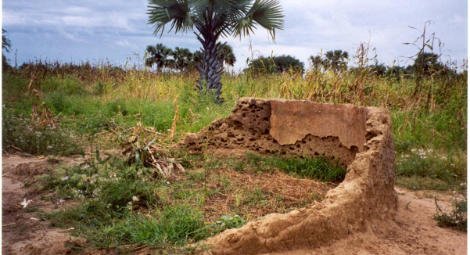
In the lead up to South Sudans independence, President Omar al Bashir began calling repeatedly for a 100% Islamic Sudan. On 19 December 2010, he warned, If South Sudan secedes, we will change the constitution and at that time there will be no time to speak of diversity of culture and ethnicity. Sharia and Islam will be the main source for the constitution, Islam the official religion and Arabic the official language.1 Following southern independence on 12 October 2011, al Bashir announced in a speech to students in Khartoum that the Republic of Sudan would soon adopt an entirely Islamic constitution, enshrining Sharia as the main source of Sudanese legislation: Ninety eight percent of the people are Muslims and the new constitution will reflect this. The official religion will be Islam and Islamic law the main source.”
Download the report 785 KB

 English (UK)
 Español de México
 简体中文