




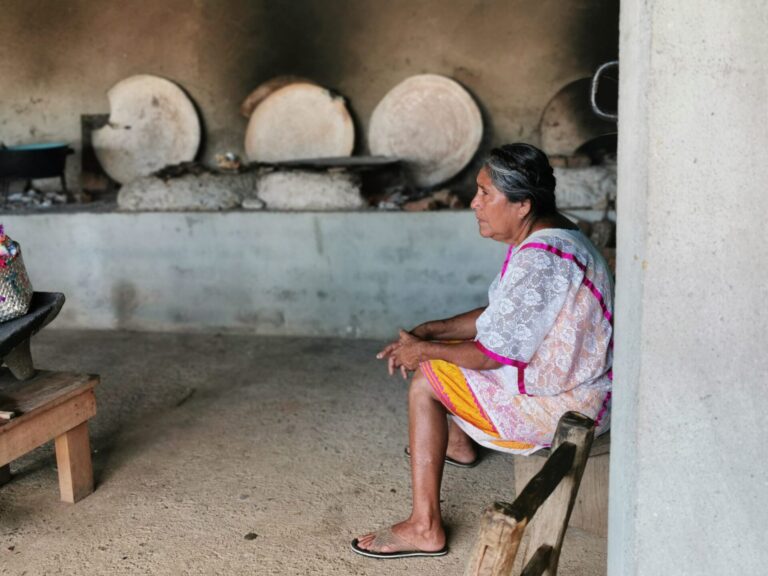
The Mexican constitution guarantees freedom of religion or belief (FoRB) and other human rights to all its citizens. However, in practice FoRB violations are a common and widespread occurrence in certain regions across Mexico.
In 2018 and 2019 CSW continued to receive reports of moderate to severe FoRB violations in states governed by the Law of Uses and Customs. In 2019 CSW received documentation regarding seven separate violations in the state of Hidalgo, six separate violations in Chiapas, two separate violations in Oaxaca and one violation in Guerrero. All of these cases were a result of the minority group’s conversion from and refusal to participate in activities, including festivals, associated with the majority religion. The majority of these cases included either threats, illegal fines or arbitrary detention. The most common form of violation was the blocking of basic services such as water and electricity. Two cases resulted in forced displacement.
At the time of publication of this report more than 38 children remain without access to education because of the religious beliefs of their parents. Vulnerable communities continue to complain about high levels of impunity and the lack of protection granted by the state officials, who often side with those of the majority religion. The lack of intervention by the state governments to protect FoRB is a clear indication that they continue to view FoRB violations as community issues or minor ‘problems’ rather than violations of fundamental human rights.
At the same time, escalated levels of violence continued to have an impact on religious leaders. Mexican president Andrés Manuel López Obrador, elected in July 2018, promised to fight corruption and find new ways to combat crime. Despite this, 2019 was the deadliest year in recent history. The National System of Public Security stated that 35,588 people were victims of homicides last year, 2.7% more than in 2018. In addition, nearly 5,000 people disappeared in Mexico in 2019 and were not found. CSW received reports of seven religious leaders murdered.
Moreover, since the implementation of the US’s Migrant Protection Program ‘Remain in Mexico’ at the start of 2019, religious leaders working at migrant shelters are increasingly vulnerable. CSW received reports of two religious leaders who were kidnapped and later released, one attempted kidnap and the enforced disappearance of Pastor Aarón Méndez Ruiz and his assistant, Alfredo Castillo de Luna, who both appear to have been targeted because of their work with migrants and asylum seekers. CSW also received regular reports of threats, extortion and assault of religious leaders.

 English (UK)
 Español de México
 简体中文