




From 28 May to 21 June, members of our team travelled to conflict-affected communities with colleagues from CSW Nigeria (CSWN), meeting survivors of religious violence. Yet alongside these first-hand accounts of trauma and loss, we also witnessed how practical training and psychosocial assistance are helping survivors build a more hopeful future.
Content warning: Contains themes of abduction and violence.
We travelled together from state to state, mostly by car, and often circumventing roads and areas where terrorists encamped. These journeys highlighted, once again, the courage, commitment, and professionalism of CSWN staff, who persist in reaching victims of religious violence, despite frequent deadly challenges.
We began by interviewing widows from conflict-affected areas in southern Kaduna, whom CSWN staff were training in income generating skills. We had to pause each interview to comfort and pray with the women, as each one broke down, but insisted on continuing their testimonies.
The 28 women receiving the training were mostly mothers who had lost husbands and loved ones in Fulani militia violence and were struggling to provide for their children.
Felicia, 37, from Kajuru told us her husband was abducted and killed despite a ransom payment. Blessing, 29, from Awon village in Kachia, described her life as ‘very miserable’ after her husband was ambushed and murdered. Mary, a 42-year-old mother of eight from Kachia, said two of her children were not at school because she could not afford their fees after her husband died in an ambush.
Amid these stories of loss, there was also remarkable resilience. Salome, 46, told us she forgave her husband’s killers and prays that ‘they will open their eyes, and they will stop.’
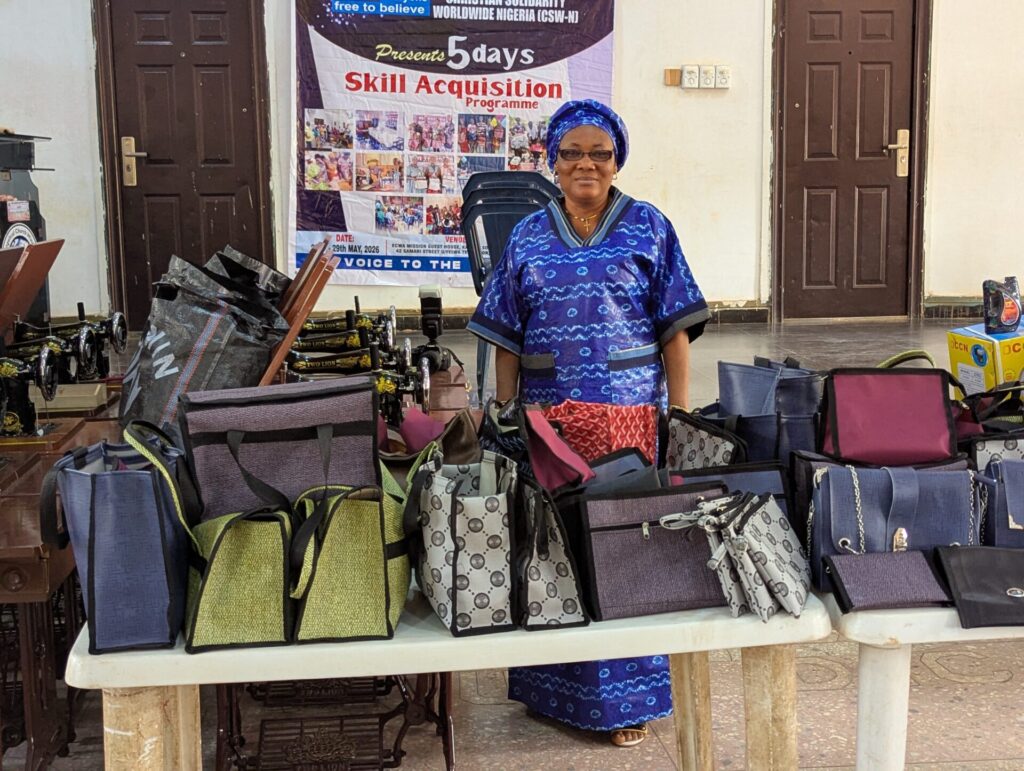
As training continued, there was a palpable sense of rising hope. Women who had never sewn before learned how to make different bags. Others were trained to use and maintain grinding mills, and all were taught basic accounting.
At the closing ceremony, participants received either a sewing machine or a grinding mill, and start-up materials. They sang hymns, and expressed amazement at what they had achieved, thanking CSWN for helping them provide for their families. They were also given money to transport their goods home.
‘They expressed amazement at what they had achieved, thanking CSWN for helping them provide for their families.’
During a psychosocial workshop in Borno State, we interviewed displaced survivors of terrorist violence from southern Borno, who have sought refuge in four camps in the capital city, Maiduguri, which we could only reach safely by air.
The Christian camps receive no official help. The smallest has 215 residents and is being extorted for land rent. These IDPs also face pressure from local officials to return home, despite continuing insecurity. We were told almost all who were forced to return to the Gwoza area in 2023 had been killed by terrorists.
Towards the end of the workshop, and following particularly challenging sessions on forgiveness, participants listed the burdens of unforgiveness they wished to be freed from. The lists were then piled up and set alight, as they prayed and sang ‘The Great Physician Now is Near’ in Hausa. It was powerful and moving.
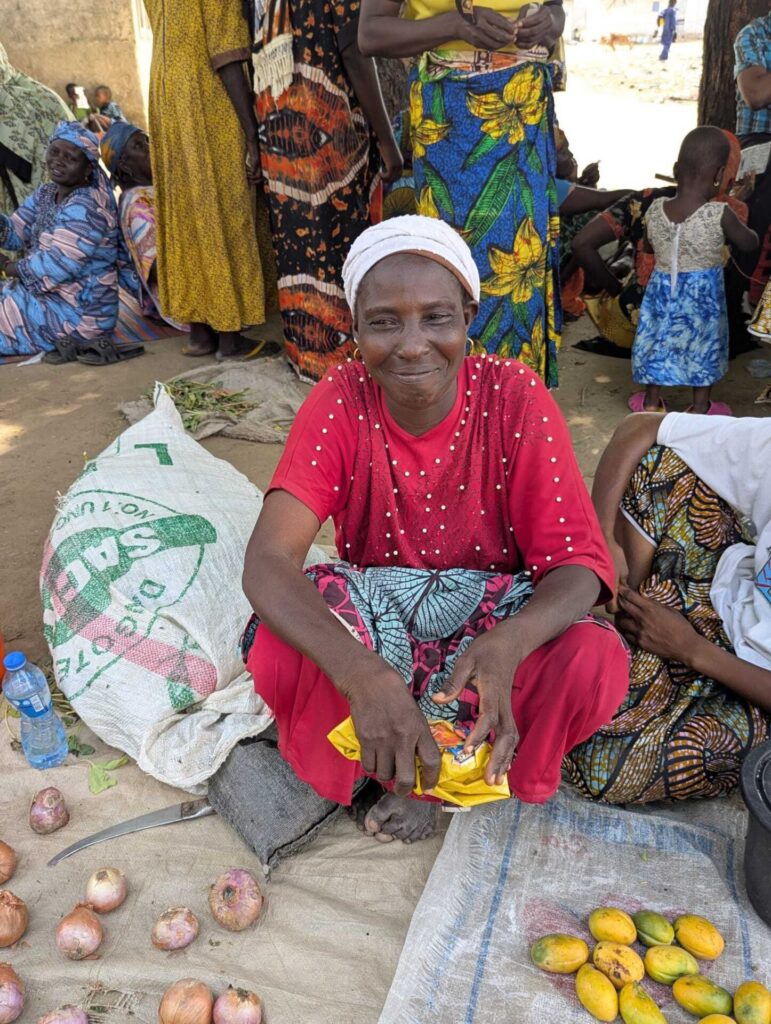
Voices being heard
Our assignment coincided with a country visit by Dr Nazila Ghanea, the first ever by any UN Special Rapporteur on freedom of religion or belief. We helped arrange for her to meet Professor and Mrs Tarfa in Plateau State. The CSW team met with her later in Abuja, alongside victims from states she was unable to visit who had experienced child abduction, kidnapping, repeated forcible displacement, religious discrimination and violence.
One of them, a church leader from Katsina, had been abducted and held for 30 days. Members of other kidnapping gangs would also visit the forest camp specifically to torture him, having heard a pastor was captured. He described his back being struck at close range daily by 27 stones fired from a sling shot, with the process recommencing if he cried out or shielded himself. His targeted kidnapping illustrated that — amid the appalling militia violence targeting the Hausa Muslim majority in the northwest on ethnic grounds — the Christian minority is also singled out.
Dr Ghanea will present her findings to the Human Rights Council in March 2027. In late June 2026, we shared our findings verbally with country delegations, UN experts and Working Groups in Geneva, and several requested follow-up written briefings – an encouraging sign that Nigeria and its people are now firmly on the international agenda.
For people like the women we met in southern Kaduna, learning new skills to provide for their families after trauma and loss, that attention matters. Their experiences matter, and so does their future.
Thank you for standing with them through your prayers, advocacy and support.
 English (UK)
  Español de México
  简体中文
简体中文