
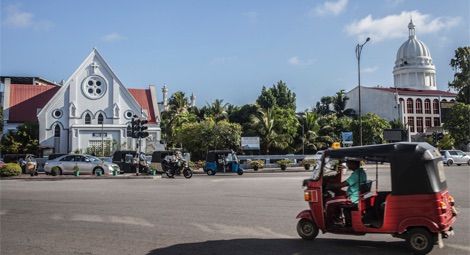
The conclusion of Sri Lanka’s recent presidential and parliamentary elections held on 21 September and 14 November respectively marks a pivotal moment in the country’s democratic journey, presenting an opportunity to promote national unity and uphold the fundamental human rights of all its citizens, including the right to freedom of religion or belief (FoRB).
The November parliamentary elections resulted in a decisive victory for the National People’s Power (NPP) coalition, led by the newly elected President Anura Kumara Dissanayake, who was elected in September 2024. The NPP secured 159 seats, achieving a two-thirds majority in the 225-member Parliament. This marks a historic moment as it is the first supermajority for a single party since 1977. The coalition received 61.56% of the vote, representing a significant shift in the political landscape.
This election also set records for gender representation, with 21 women elected, the highest in Sri Lanka’s history. More than 150 of the elected MPs are first timers, signalling a generational shift in Sri Lankan politics.
Religious minorities in Sri Lanka, including Christians, Hindus, Muslims and others, have faced challenges ranging from discrimination to violence in recent years. These issues underscore the urgent need for proactive measures to safeguard their rights and to address structural inequalities.
CSW welcomes the outcome of Sri Lanka’s presidential and parliamentary elections. President Dissanayake recently promised that the NPP would build a ‘united nation’, and the new government now has a decisive mandate to prioritise inclusivity and equality, ensuring that religious minorities are protected, respected and empowered. FoRB is not only a cornerstone of democracy but also essential to fostering harmony in Sri Lanka’s richly diverse society.
We urge the newly elected government to:
- Ensure the legal framework robustly protects all individuals’ right to practice, profess or change their religion or belief without fear of persecution or discrimination.
- Take decisive steps to address hate speech and violent acts targeting religious groups by enforcing strict accountability for perpetrators.
- Foster meaningful dialogue among religious communities to build mutual respect, understanding and cooperation.
- Support educational and economic initiatives that uplift minority communities, ensuring their equitable participation in Sri Lanka’s development.
- Commit to international human rights standards on FoRB, reaffirming Sri Lanka’s obligations under global frameworks such as the Universal Declaration of Human Rights and the International Covenant on Civil and Political Rights.

 English (UK)
  Español de México
  简体中文
简体中文