




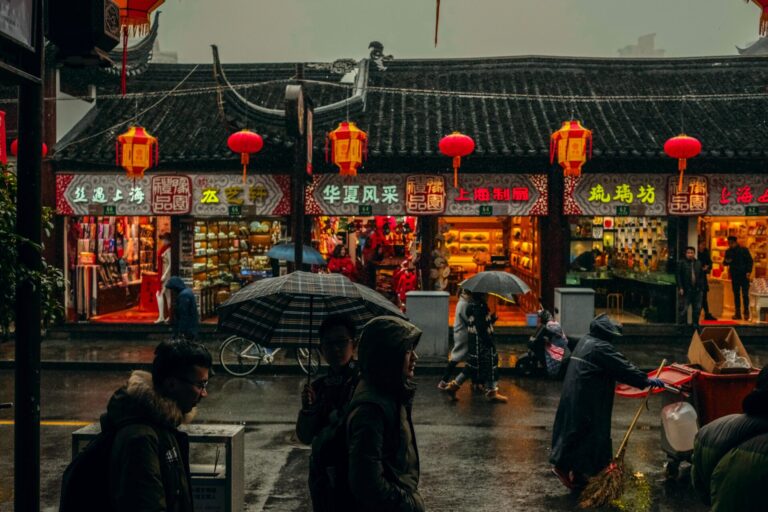
The level of freedom of religion or belief in China is rapidly and significantly decreasing. There are tangible signs of this, such as the demolition of temples, mosques and churches by authorities, and the removal of religious symbols and pictures from homes and places of worship. There are also less visible changes, however: clergy removed from their positions and replaced with those with government approval; pressure on schools to check up on the religious beliefs of their students and staff; and surveillance cameras installed in and around places of worship. In the most extreme cases, religious adherents are arrested, imprisoned, tortured and even killed in connection with their religion or belief.
This downward trend fits into a broader pattern of increasing human rights abuses under Xi Jinping, accompanied by and manifested through a shrinking space for civil society, a heightened sensitivity to perceived challenges to Party rule, and the introduction of legislation that curtails civil and political rights in the name of national security.
The reality of the right to FoRB for religion and belief communities in China remains a mixed picture, and conditions vary according to religion, location, ethnicity, and attitude of local officials, as well as other factors. It is therefore impossible to describe ‘what it’s like to be a Christian’, or Muslim, Buddhist and so on, in China today. However, under Xi Jinping, there has been a new focus on religion at the highest levels of government, a revision of the Regulations on Religious Affairs, and fresh emphasis put on the requirement that all religious communities in China ‘sinicise’ by becoming ‘Chinese in orientation’ and adapting to ‘socialist society’. CSW’s sources believe the intent behind ‘sinicisation’ is to eradicate independent religion and bring all religious activities under state control. From thousand-strong urban churches, to village temples hundreds of years old, more and more religious communities are feeling the effects of these developments on everyday religious life in China.
The government has more and more power over education, the media, and now religion. The government wants control over everything, over religion and education and culture. If anyone takes part in activities [outside of the government approved activities] they will be held responsible.
 English (UK)
 Español de México
 简体中文