
Introduction
Burma is a nation at the crossroads. After 50 years of successive brutal military-backed regimes, Burma’s President Thein Sein introduced a new era of reform in 2011. Many hundreds of political prisoners were released, ceasefires with Burma’s armed ethnic opposition groups were negotiated, and space for civil society and the media expanded. Burma’s democracy leader Aung San Suu Kyi was released from house arrest in 2010, and in 2011 she began a dialogue with the government. In 2012 she and her party, the National League for Democracy (NLD), won 43 out of 44 seats in parliamentary by-elections.
While these changes are welcome, Burma continues to face many significant challenges, and there are now concerns that the political reform process has stalled. Elections will be held in November 2015, but Aung San Suu Kyi is disqualified from contesting the presidency, due to a constitutional provision that the president cannot be someone whose spouse or dependents are foreign nationals. Despite appeals for constitutional reform, there appears little likelihood that this will be addressed. The constitution also reserves 25% of parliamentary seats for the military.
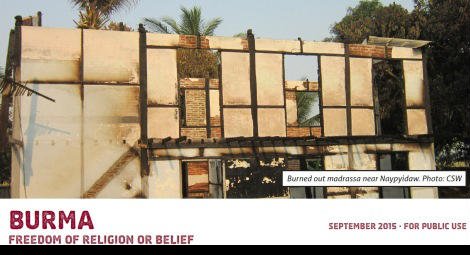
Severe violations of human rights, particularly in the ethnic areas, continue to be perpetrated; several hundred political prisoners remain in prison; and religious intolerance has emerged as a very grave concern. A movement of extremist Burman Buddhist nationalists, led by monks, has conducted a campaign of hatred and violence against Muslims. Since 2012 violence against Muslims throughout the country has erupted periodically, and hate speech is used widely to stir up anti-Muslim sentiment.


 English (UK)
  Español de México
  简体中文
简体中文