
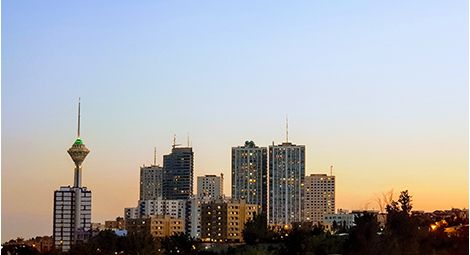
Since the 1979 revolution Iran’s religious and ethnic minorities have suffered human rights violations at the hands of successive governments. Although Iran is party to several international covenants that protect the right to freedom of religion or belief (FoRB), religious minorities are viewed with suspicion and treated as a threat to a theocratic system that imposes a strict interpretation of Shi’a Islam.
Christians, Baha’is, Sufi Dervishes and Sunni Muslims have been executed judicially and extra-judicially, and tortured, imprisoned or generally harassed on account of their faith. An official campaign against Muslim converts to Christianity has been escalating since 2009, and has at times been accompanied by a rise in anti-Christian rhetoric from senior officials. The Baha’i community, which remains unrecognised officially, and the Dervishes, have increasingly been targeted with hate speech. They face a raft of discriminatory and repressive policies, including with regard to education and burial sites.

 English (UK)
  Español de México
  简体中文
简体中文