





Cuba
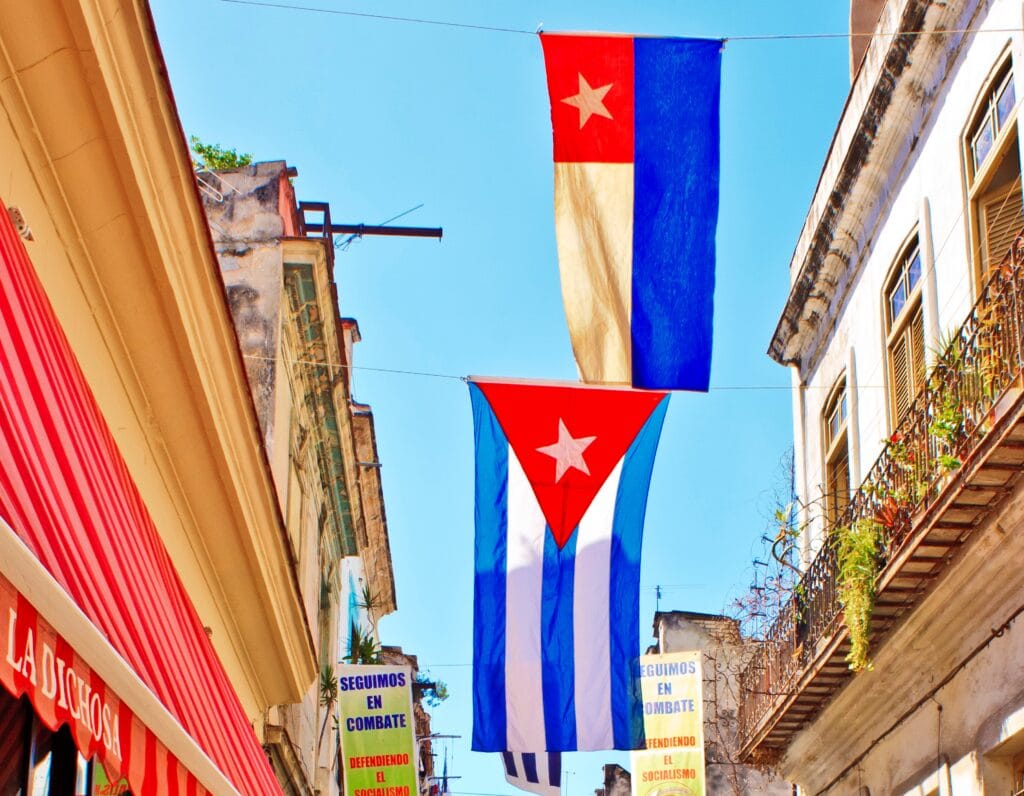
CSW documented 667 cases involving violations of freedom of religion or belief between January 2025 and June 2026. Almost all cases involved multiple violations.
The period saw a marked increase in the use of Actas de Advertencia (documents that justify future charges for crimes not yet committed) as a way to intimidate religious leaders. The government also stepped up efforts to prevent them from calling for prayer or responding to Cuba’s humanitarian crisis.
Read more in our July 2026 report: ‘Cuba’s New Normal’.
Read more in our July 2026 report:
Siria
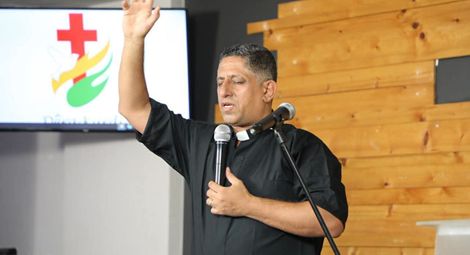
Pastor Nihad Hassan, who leads a Kurdish-speaking church in Lebanon, was arrested on 20 July while visiting relatives in Afrin, Syria. He was held without charge for two weeks.
Originally from a Muslim background, the Baptist pastor has in recent years spoken out about the situation facing Syria’s Kurdish population, especially converts from Islam. He has also shared Facebook posts that were deemed insulting to Islam, reportedly the main reason for his arrest.
Pastor Hassan was released on 3 August and returned to Beirut for his safety.
India
The Indian government has introduced further amendments to the Foreign Contribution (Regulation) Act (FCRA), which would have serious implication on civil society. This includes places of worship, schools, hospitals, orphanages, community centres and other organisations that receive funding from abroad.
If passed, the bill could allow the government to seize land, buildings, bank accounts and other assets funded through foreign donations if an organisation’s FCRA licence is cancelled, surrendered or not renewed.
The existing law with its controversial clauses has already seen numerous instances of civil society work being threatened. For example, in December 2021, the Missionaries of Charity, founded by Mother Teresa, had their renewal refused without reason. It was reinstated after widespread criticism that it would have severely impacted their humanitarian work.
Birmania
According to the 2026 report of the UN Independent Investigative Mechanism for Myanmar (IIMM), military aerial attacks on religious minorities’ villages and the destruction of religious sites have escalated steadily since 2021, with over 600 religious buildings targeted nationwide.
At least 14 civilians were killed and 20 others injured when the Tatmadaw (Myanmar’s military) bombed a Buddhist monastery during a meditation retreat on 21 August. The attack is part of a wider pattern of airstrikes deliberately targeting religious buildings, displacement camps and civilian communities across the country.
 English (UK)
  Español de México
  简体中文
简体中文