‘Freedoms, like privileges, prevail or are imperiled together. You cannot harm or strive to achieve one without harming or furthering all.’– Jose Marti
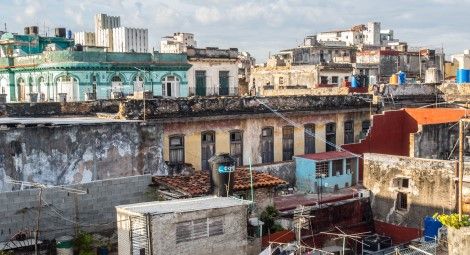
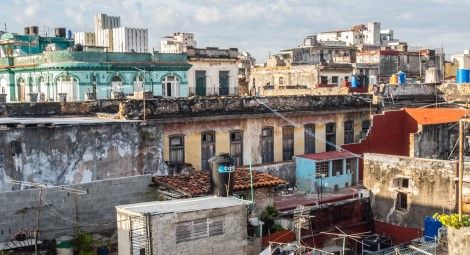
2022 saw the continuation of the government crackdown that began in 2021 following the 11 July protests alongside the adoption of increasingly repressive legislation and a historic wave of emigration. It is against this backdrop that CSW documented 657 violations of freedom of religion or belief (FoRB) in 2022, a staggering jump from 272 in the previous year. The Cuban government continues to view religious groups, which together comprise the largest sector of independent civil society, with suspicion and some fear especially because of their potential to mobilise large groups of people.
2022 was characterised by continued repression of independent civil society, particularly individuals who were critical of the government’s record on human rights and those who have expressed support for political prisoners. Religious associations of all types, including Roman Catholic, Protestant, Jewish, Afro-Cuban, and Muslim groups, registered and unregistered groups, including some that belong to the Cuba Council of Churches (CCC), all reported experiencing FoRB violations. The government was particularly focused on targeting religious leaders and individuals who offered spiritual or material support to families of political prisoners. Religious leaders who attempted to respond to humanitarian disasters, including following the fuel tank explosions and fire in Matanzas and Hurricane Ian, were directly reprimanded, and threatened with fines and imprisonment by State Security officers if they continued to do so. Those considered by the government to be dissidents, were repeatedly and systematically blocked from attending religious services, usually through short term arbitrary detention. A significant number of religious leaders and FoRB defenders went into exile after being informed by State Security that, if they did not leave Cuba, they would be imprisoned and the government would take custody of their children.
Despite these negative developments, religious leaders, from registered and unregistered groups alike, continued to speak publicly about FoRB and other human rights violations and were openly critical of proposed laws in the form of a new criminal and family codes. It is notable that many Cubans who reported experiencing FoRB violations, in many cases many severe, voiced their intention to resist government pressure.

 English (UK)
  Español de México
  简体中文
简体中文