

Introduction
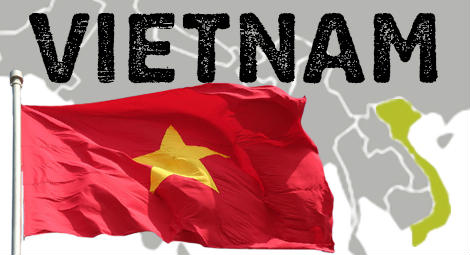
On 1 January 2018, Vietnam implemented a new Law on Belief and Religion. Article 3.1 of the law says that ‘the State shall respect and protect the right to freedom of belief and religion of everyone’.1 Four years have passed since this law came into effect, and violations of the right to freedom of religion or belief (FoRB) against communities from major religions or beliefs in Vietnam continue to be reported.
For certain groups already registered with the government, the Law has provided greater clarity and freedom in some areas, such as charity work and social welfare events. Registered religious organisations are also granted legal personhood.2 The groups already registered with the government before the Law came into effect are usually larger and well-established, with good relations with the authorities, and some of these groups have been able to organise new activities under the Law. For many other groups, however, there is evidence to suggest that the law has not been effective in protecting the right to FoRB, and in preventing or reducing FoRB violations. Some even argue that the authorities have been able to use the Law ‘to target and silence certain groups or dissidents’.3
The law imposes several restrictive requirements upon religious groups. All religious groups are required to register with the government for recognition as a legal organisation and for authorisation for a range of activities. In practice, this registration process is open to abuse by state officials, with some applications ignored or rejected without explanation. Unregistered groups – including those whose applications have been unsuccessful or who have chosen not to register for reasons of conscience – are more vulnerable to harassment, arrest, imprisonment, physical violence and other abuses. In general, indigenous peoples and ethnic minorities in remote areas often suffer the most severe FoRB violations.

 English (UK)
  Español de México
  简体中文
简体中文