
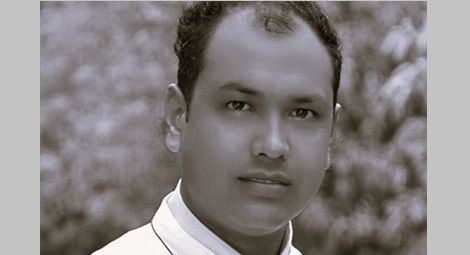
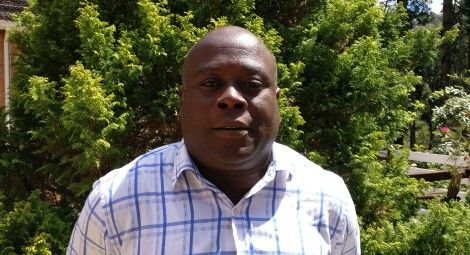
Four men charged with apostasy and detained at the main prison in Zalingei, Central Darfur were released on bail on 6 July.
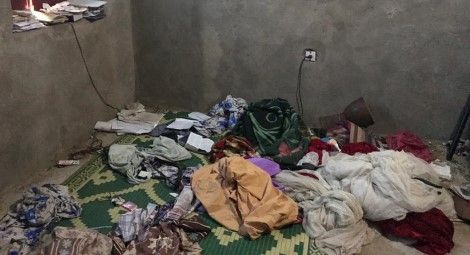
Badar Haroun Abdul-Jabbar, Mohamed Haroun Abdul-Jabbar, Tariq Aref Abdallah and Mortada Ismael Yousef, who had reportedly converted to Christianity, were arrested on 24 June in Zalingei. They were released after being questioned by the intelligence police about their religious identity and having their personal belongings confiscated. During this first detention the men were subjected to inhuman and degrading treatment.
On 28 June the men were detained and taken to the main prison in Zalingei, where they were held for several days. On 3 July they were brought before the prosecutor, who asked them to renounce their Christian faith and agree not to pray or share their faith or participate in any activities that would show they were Christians, otherwise they would face the death penalty. The men refused and were charged with apostasy prior to being released on bail.
Lawyers representing the men have been informed that they were charged with apostasy under Article 126 of the 1991 criminal code, which was amended in 2020 to remove the crime of apostasy. According to CSW sources, the police have a list of the names of others in the congregation that are accused of the same crime and are also being pursued. The main complainant in the case is a police officer named Abdel Hafiz Musa, and the Attorney General pursuing the case is named Abdalla Issa Musa.
During the civilian-led transitional period, the Sudanese government led by former Prime Minister Abdalla Hamdok first abolished the death penalty for the crime of apostasy, then took steps to remove apostasy from the criminal statute books. The government then passed legislation making it a criminal offence to accuse any person of apostasy.
However, after the 25 October 2021 military coup, confidential sources informed CSW that church leaders living in camps for internally displaced people were threatened by officials who told them they would face apostasy charges if they continued to meet to pray. When the leaders protested, citing the legal changes made under the transitional administration, they were informed that the coup had changed the legal situation.
The men charged with apostasy had formed a church which was authorised by the Ministry of Guidance and Religious Endowments during the civilian-led transitional period. They were able to operate unhindered until June 2022.
On 30 June security forces killed nine unarmed protestors. On 4 July the military leader, General al Burhan, announced the military’s withdrawal from the trilateral dialogue led by the United Nations Integrated Transition Assistance Mission in Sudan (UNITAMS), the African Union (AU) and the Intergovernmental Authority on Development (IGAD) aimed at finding a political solution following the October 2021 coup. The military’s decision to withdraw from the dialogue caused UNITAMS, the AU and IGAD to suspend the talks.
CSW’s Founder President Mervyn Thomas said: “CSW is deeply concerned by the decision to detain these four men, and by the charges levelled against them. The decriminalisation of apostasy was one of the limited positive steps undertaken by the transitional authorities prior to the 2021 coup d’ état. It is unclear on what legal grounds these charges have been logged; however, it is indicative of the regressive steps taken on freedom of religion or belief, and emblematic of the worsening situation of human rights in Sudan in the aftermath of the coup. We call for an immediate review of this case and the dropping of all charges against the men. Additionally, action must be taken against law enforcement and prosecutors in Central Darfur, who have violated the rights of these men. The international community must ensure that violations of freedom of religion or belief are raised with the military directly and that detailed benchmarks on FoRB are included in all dialogues with Sudan.”

 English (UK)
  Español de México
  简体中文
简体中文