





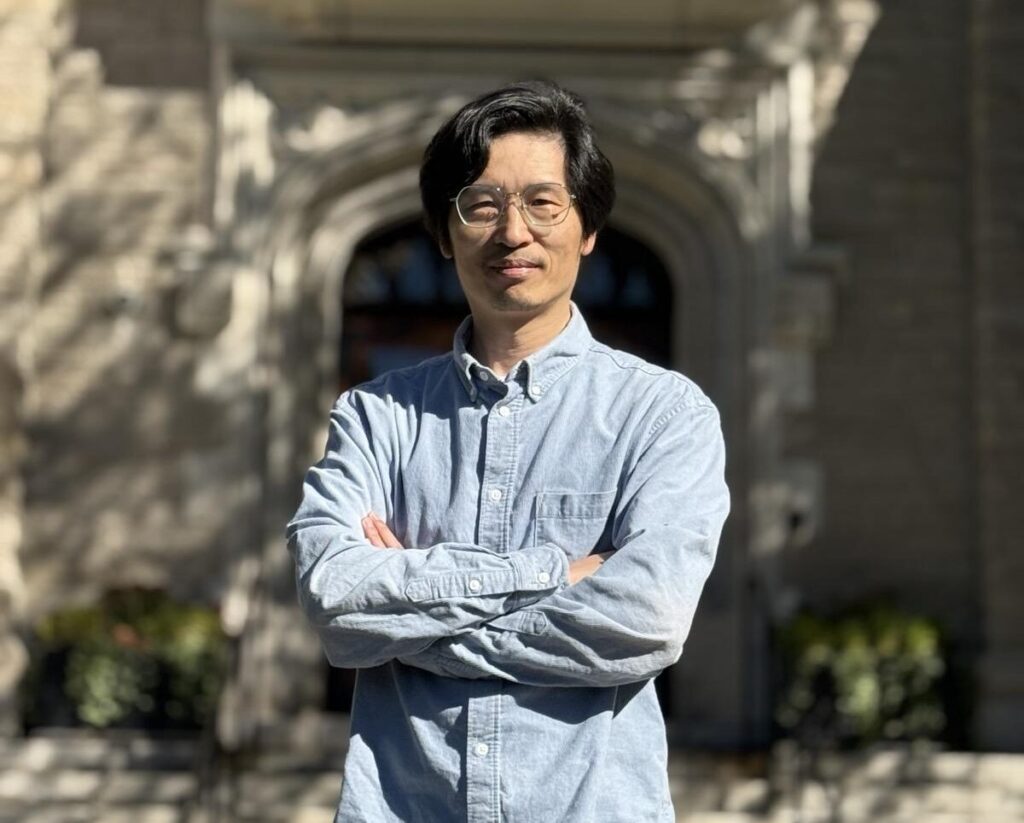
Luke Zheng (Zheng Leguo) is a Chinese Christian pastor originally from Yueqing, Wenzhou, Zhejiang Province. A graduate of Trinity Theological College in Singapore, he currently serves as Senior Pastor of Starlight Church in College Point, Queens, New York. The church is affiliated with Every Nation, an international network of churches.
In addition to his pastoral work, Zheng monitors and documents cases concerning freedom of religion or belief (FoRB) in China, maintaining contacts with individuals and networks inside the country.
Could you begin by telling us about your background in China and your experiences before entering church ministry?
I spent my early years in Yueqing, Wenzhou, in Zhejiang Province, southeastern China. I have a medical background and worked in a clinic in my hometown in a role similar to that of a family doctor. I also volunteered in preventive healthcare, serving several thousand residents across four local villages.
In the mid-to-late 1990s, I began overseeing evangelistic ministry at Baixiang Church in my hometown, primarily serving migrant workers. At the time, large numbers of young workers were arriving in Wenzhou from other parts of China. Every Sunday evening, we held an evangelistic service, with five or six hundred migrant workers crowding into the church to sing hymns, listen to sermons and watch gospel programmes together.
What first took you to church in China, and what were your earliest impressions of the church there?
I was born into a Christian family. My family’s Christian faith goes back to my great-grandmother’s generation, and my grandfather was a pastor with the China Inland Mission in Wenzhou.
From my teenage years onwards, I went to church with my parents. By then, the Cultural Revolution had ended, and China had entered the period of reform and opening up. Different aspects of society were gradually recovering, and this also created new opportunities for the churches in Wenzhou to develop.
At the time, people in many villages began holding Christian gatherings in private homes or courtyards. Before long, the church in our town also formally resumed its services. The original building of our Baixiang Church had been taken over by the government, specifically by the local People’s Commune at the time, and converted into a foundry. It was later returned to the church. A new church building was constructed on the original site, and ministries such as the Christian Endeavor Society, Bible study groups and the choir gradually resumed. The church also established violin classes for young people.
Around 1986, our Baixiang Church became divided over the question of whether to join the Three-Self Patriotic Movement. Eventually, the congregation split into two groups: one met “upstairs” in the church building, while the other met “downstairs” in the main sanctuary. This experience later made me realise how forces from outside the church could directly affect unity within the church. Similar divisions occurred widely across the different counties of Wenzhou.
From the 1980s onwards, new churches were built throughout Wenzhou, many of them topped with large crosses. From the 1990s into the early 2000s, this development almost reached its peak. Churches could be found throughout the region, and Christian communities were highly active.
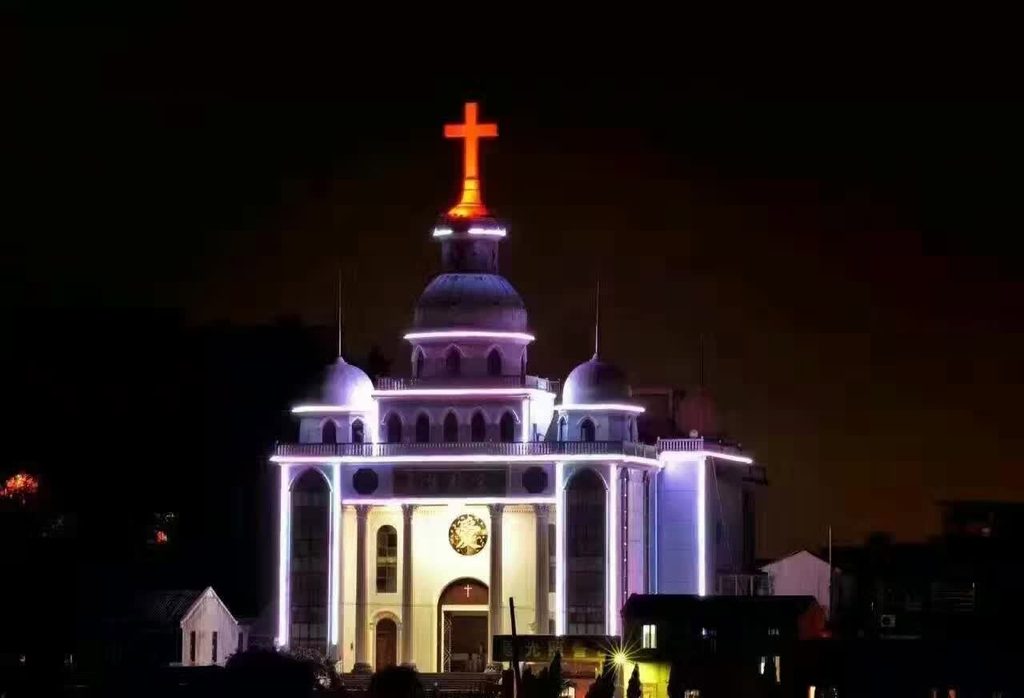
Beginning around 1990, churches in Wenzhou gradually introduced more formally organised Sunday schools. Choirs, musical groups, evangelistic ministries and Bible study groups were also established in many places. After 2000, theological training gradually became more systematic and institutionalised.
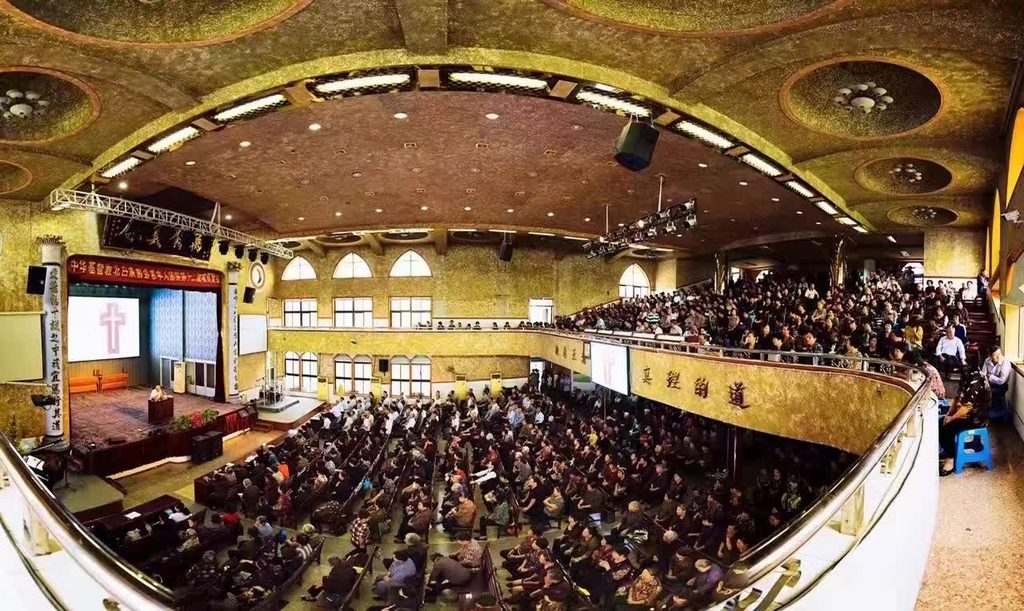
For more than three decades, youth and young adult ministries in Wenzhou’s churches have remained very active, supported by large numbers of volunteers and church workers who serve in ministry alongside their regular occupations. Overall, the churches in Wenzhou experienced a period of remarkable growth and vitality over the past thirty to forty years.
Looking back, what did your time in China teach you about practicing your religion under pressure?
China’s religious policies have never remained constant. At times they have been more restrictive, and at other times more relaxed. There are also significant differences between regions in terms of the social environment, local attitudes and the way local governments implement these policies. As a result, the circumstances faced by different churches, and the ways in which they respond, are not entirely the same.
For me personally, having a clear sense of God’s calling has meant that, even when I encounter difficulties in ministry, I do not easily give up. In the face of hardship and setbacks, I can continue to depend on the Lord who called me. I believe that since it is God who has called me, He will surely strengthen and sustain me to the end. The pressures I have experienced are nothing unusual; my forebears went through them too.
How would you describe the current state of freedom of religion or belief in China?
From a historical perspective, China’s religious environment was, to a considerable extent, relatively tolerant from the 1980s until around 2012. The social changes brought about by reform and opening up also created a certain amount of space for religious activity. However, this period of relative tolerance, which lasted for roughly four decades, began to change gradually after 2012.
Between 2014 and early 2016, Zhejiang Province saw a large-scale campaign to remove crosses from churches. The demolition of Sanjiang Church in Wenzhou was a particularly symbolic event. After this, a number of unprecedented compulsory measures appeared in the Wenzhou area, including requirements for churches to display the national flag and install surveillance equipment, as well as restrictions preventing children, young people and some school teachers from entering churches.
In some places, government officials would even enter churches on Sundays to monitor services and check whether anyone prohibited from attending was present. At times, they would also take photographs to document those attending.
Last year, an unfortunate incident occurred in Yayang Township, Taishun County, Wenzhou. The local government sought to erect a national flag at a church meeting place, but the brothers and sisters in the congregation objected. The authorities subsequently deployed several thousand police officers, and around 20 believers were arrested and remain in detention to this day. This year, the entire church building was forcibly demolished.
In terms of church organisation, there are quite a number of churches in Wenzhou that are registered with the government, and formal registration is usually associated with joining the Three-Self Patriotic Movement.
At the same time, some house churches have not registered directly with the government, or do not meet the conditions for formal registration, for example because those serving in ministry have not received training at an officially recognised theological seminary.
Some of these house churches operate through an arrangement known as guakao, meaning that they are formally affiliated with an already registered church. Such churches can sometimes retain a degree of independence, while the registered church and its pastors may not directly intervene in their day-to-day activities.
In practical terms, this model may provide some house churches with a relatively legitimate space in which to exist and operate. At present, however, there does not appear to be any significant trend towards expansion of this guakao model. Some house churches have instead been placed directly under the administration of local subdistrict government offices. Whether these existing arrangements will remain sustainable in the future is very uncertain.
There are also house churches that neither join the Three-Self Patriotic Movement nor register with the government. Their situation is considerably more sensitive. One reason some of these churches are nevertheless able to continue operating may be that local authorities maintain a certain degree of trust in them.
In recent years, controls over unregistered and semi-independent religious groups have generally intensified. In some regions, churches identified by the authorities as particular targets have faced severe measures. Some pastors and their families have been subjected to prolonged surveillance, harassment or threats. In certain cases, measures have even included forced relocation, cutting off water and electricity supplies, summonses for questioning, and individuals being removed from church gatherings.
Some pastors and church leaders have also faced criminal prosecution on charges such as “fraud.” The authorities first classify an unregistered church as an illegal organisation and then characterise the offerings received by the church as fraudulent.
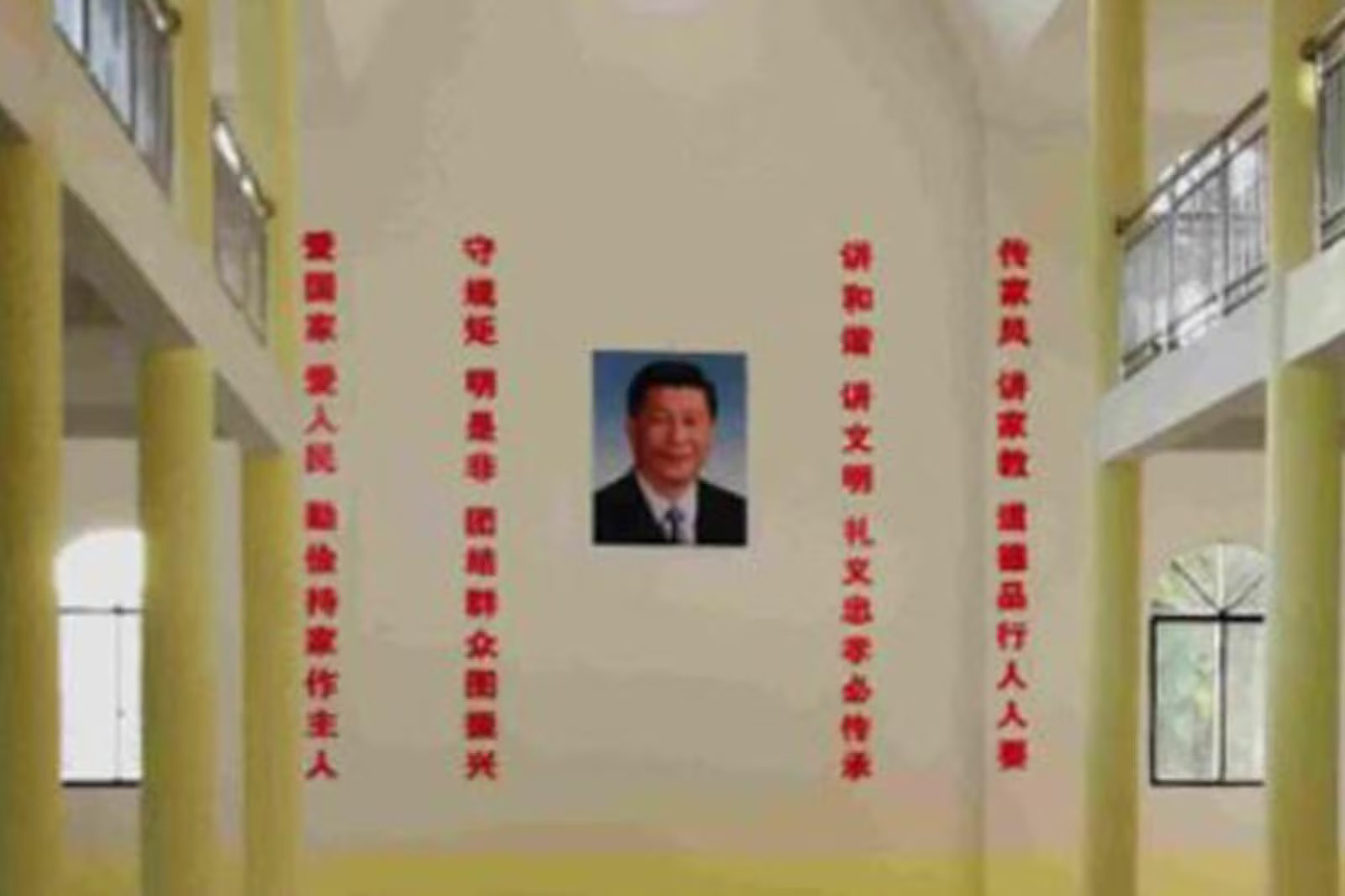
Registered churches, meanwhile, are required to comply with the policy of the “Sinicisation of religion.” Churches may be required to display political propaganda slogans, while key ministry personnel are often expected to have a background in officially recognised theological seminaries and to demonstrate a certain degree of political conformity.
However, I do not believe that registered churches are therefore “entirely without value.” For many Chinese pastors, the choices available to them are extremely limited. At times, they have little choice but to undergo official political training or participate in related activities. Some pastors and believers, however, regard these activities as little more than institutional formalities. Participation does not necessarily mean that they genuinely accept the political content involved.
From their perspective, this is a pragmatic response to the realities they face: complying with institutional requirements to a certain extent in exchange for a legally recognised and relatively public space in which to preach the gospel and carry out ministry.
Overall, China has introduced a series of regulations and policies governing religious affairs in recent years, with increased restrictions also affecting Christians’ and churches’ online activities and expression on social media. For this reason, I believe that the overall environment facing Christian communities in China today is quite oppressive. In some places, it could even be described as suffocating.
Reports describe increasing state control over religious practice, including pressure on churches to register and conform to official expectations. How does that impact religious communities day to day?
This pressure does not remain confined to the church itself. It can extend into believers’ employment, family life and their children’s education. For example, some Christian teachers have lost their jobs or opportunities for promotion because of their faith, while in some cases even their retirement benefits have been affected.
For Christian parents, one very immediate concern is that their children may be prohibited from entering churches. Schools sometimes increase students’ academic workload and may warn parents not to allow their children to attend summer camps organised by churches.
In some areas, university students also face restrictions on participating in Christmas celebrations and other religious activities. If a pastor faces criminal charges, the consequences can extend to the entire family, with other relatives also facing pressure or restrictions. Some cases indicate that even after pastors have completed their prison sentences and been released, they may continue to face surveillance or other restrictions, including limitations on their ability to enter or leave the country.
In other words, the impact of religious policy is often far more extensive than simply determining whether someone is allowed to enter a church. It can reach into virtually every aspect of a person’s life, including their employment, family, children’s education and everyday activities.
What are the biggest challenges facing unregistered or house churches in China, and how are they responding?
Churches that are singled out for particular scrutiny are often those that both refuse to join the Three-Self Patriotic Movement and refuse to register with the government.
If such churches are found to have connections overseas, or are perceived as having a strong organisational network across different regions or a distinct denominational identity, they may become particular targets for scrutiny or suppression.
Some unregistered churches are still able to meet in relatively discreet, concealed or “semi-public” ways. In certain places, these gatherings may operate with the tacit acceptance of local authorities, but they remain at constant risk of being banned or shut down.
If a church is formally banned, its leaders may face criminal prosecution. Some have already been prosecuted and even sentenced to imprisonment.
Under these circumstances, even small gatherings can become extremely difficult. As a result, some churches have adopted more dispersed and discreet forms of meeting, while others have moved their gatherings online. In some cases, after their original church has been broken up, believers have joined other churches that have not yet faced the same level of action from the authorities.
However, the impact of churches being forced to disperse should not be underestimated. It does not simply change the format of their gatherings. It can also weaken established networks among believers, pastoral relationships, and the wider sense of community and shared life within the church.
What do you most want activists, advocates and everyday people to understand about working on human rights in China?
To begin with, the Christian population in China is indeed substantial, but there is no need to be overly optimistic in estimating the numbers. At the same time, we should not underestimate the real impact of repression. Prolonged pressure genuinely affects Christians’ psychological well-being, family life, and the normal functioning of churches.
China’s highly politicised social environment and ideological propaganda also shape society as a whole, including Christians. Therefore, I believe that when observers outside China assess religious issues in the country, they should try to remain as objective and fair as possible. They should neither become unrealistically optimistic in ways that are detached from the realities on the ground, nor reach excessively pessimistic conclusions simply because they see repression taking place.
In fact, the basic aspirations of Chinese Christians are not particularly demanding. Many of them simply hope to be able to practise their faith genuinely in a relatively free environment.
If possible, I also hope that churches internationally, together with people from different sectors who share these concerns, can pay greater attention to churches and Christians in China. For example, they could hold public prayer meetings to pray for Chinese churches and believers.
Where circumstances permit, people could also visit churches in China directly and attend their services. This would be a tremendous encouragement to Chinese Christians. Of course, doing so might also attract the attention of the local authorities, but so what? After all, Christians are one family. Chinese Christians are also the spiritual fruit and descendants of the generations of European and American missionaries who served in China.

 English (UK)
 Español de México
 简体中文