
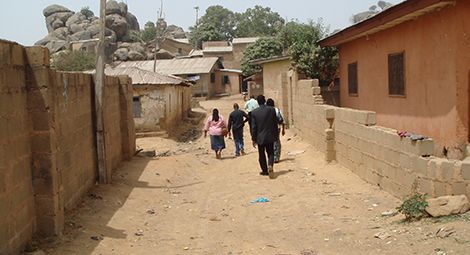
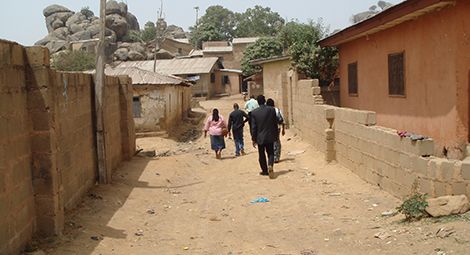
In most of Nigeria’s Shari’a states, and particularly although not exclusively in rural areas, the education of Christian schoolgirls is frequently curtailed by abduction, forcible conversion and marriage without parental consent. Parents seeking the release of their abducted daughters are generally informed they have converted and “married,” or are in the custody of Muslim traditional rulers or Shari’a Commissions and have no desire to return home. Appeals to law enforcement agencies for assistance generally prove fruitless amid false claims by abductors that the girls are not minors, and fear on the part of the police of provoking largescale social unrest, highlighting an unfortunate inequality before the law in this multi-religious and multi-ethnic nation.
Abductions by factions of the terrorist group Boko Haram have, rightly, received sustained headlines. However, this source of abduction, which is undertaken by ordinary members of society, substantially predates those by terrorist factions, but receives scant coverage. The only difference between the two forms of abduction is that instead of trafficking girls and women to ungoverned spaces, these abductors tend to hide behind traditional authorities and religious institutions, which may or may not have condoned or encouraged their actions.
CSW has been documenting cases of child abductions since 2004, and in 2010 made a submission to the United Nations Committee on the Rights of the Child that highlighted this ongoing phenomenon. In early May 2020 the Hausa Christian Foundation (HACFO) reported that between 23 March and 6 May, eight Christian girls had been abducted and subjected to forcible conversion and marriage. Three of these abductions occurred in Kaduna State; four in Katsina State, and one in Kano State.



 English (UK)
  Español de México
  简体中文
简体中文