
Executive summary
Religious persecution is not a phrase that is commonly associated with Colombia. The high profile of the Roman Catholic Church and internationally known mega-churches in the largest cities, alongside rapid church growth over the past decades, have contributed to a widespread perception, held both within and outside of the country that, although some Christians may be caught in the crossfire of the decades-long conflict, they are not singled out and persecuted because of their religious beliefs and practices. Unfortunately this perception is wrong. While the country is predominantly Christian, and many participate in religious activities on a regular basis without any hindrance, a significant percentage of the population is subjected to consistent and serious violations of their religious freedom.
The complexity of the internal conflict coupled with an overwhelmingly disastrous human rights situation have contributed to a lack of awareness regarding the precise impact of the conflict on communities of faith. The situation has been compounded by a reluctance among affected communities to speak out about the abuses they suffer because of their fear of retaliation by the armed groups. The truth is that many Christians in Colombia, particularly those living in conflict zones or areas controlled by illegal armed groups, suffer direct persecution on a daily basis because of their faith. Across the country, churches have been closed and religious activity forbidden by order of the armed groups. Entire Christian communities have been displaced. Pastors and church leaders have been marked for assassination. In many cases these threats have been carried out.
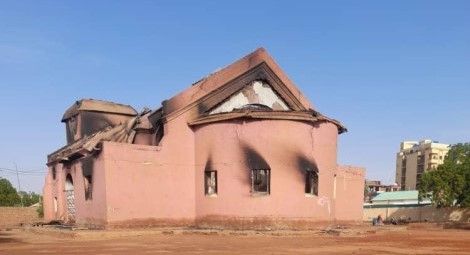
Over the past year, CSW saw few improvements in the religious liberty situation. Approximately 200 churches are believed to be forcibly closed and around 20 to 30 church leaders assassinated every year. There were regular reports of threats against, and forcible displacement and assassinations of church leaders. Christian youth continue to be forced into illegal armed groups while Christian converts attempting to leave the armed groups have been killed or forced into hiding. The armed groups continued to impose severe restrictions on religious activity in many parts of the country, in some cases, prohibiting it all together. Churches were also frequent targets for extortion by the armed groups.

 English (UK)
  Español de México
  简体中文
简体中文