
A new briefing on the impact of technology on freedom of religion or belief (FoRB) in China, published today by CSW, cautions that “Technology can have a wide range of positive effects; however, its ability to facilitate violations of FoRB and other fundamental rights and freedoms is evident, and must not be disregarded by those who laud China’s technological achievements.”
The briefing, entitled ‘Ultimate control: Lessons from China on the impact of technology on freedom of religion or belief’, describes the country as one “where the use of technology to suppress and restrict the rights of religious groups is perhaps most acute and most advanced.”
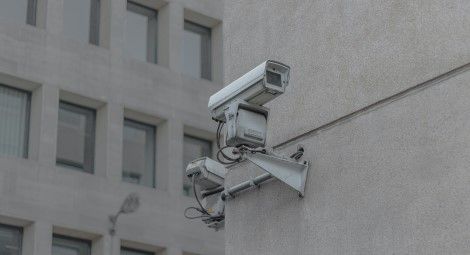
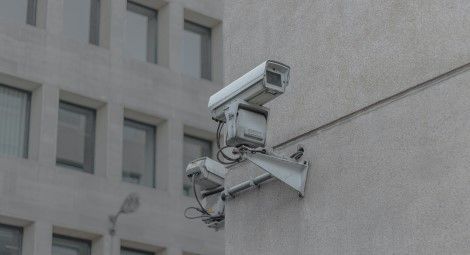
It considers two case studies. One is Zion Church, an unregistered Protestant ‘house’ church in Beijing which was forcibly closed after church leaders refused to instal CCTV cameras on the church property. The other considers the Chinese government’s use of technology to violate human rights in the Uyghur Region, where between one and three million Uyghurs, Kazakhs, and members of other predominantly Muslim ethnic groups, are believed to have been detained without trial in so-called ‘political re-education camps.’
Considering the impact of the COVID-19 pandemic on the Chinese Communist Party (CCP)’s use of technology to violate human rights, the briefing concludes: “Technology can have a wide range of positive effects; however, its ability to facilitate violations of FoRB and other fundamental rights and freedoms is evident, and must not be disregarded by those who laud China’s technological achievements.”
It also raises concerns that other states responsible for human rights violations may be looking to imitate the CCP’s model by purchasing technology from the country.
CSW’s Chief Executive Scot Bower said: “In publishing this briefing, CSW hopes to draw important attention to an increasingly pressing human rights issue. In China and elsewhere, the risk that technology could be used to violate freedom of religion or belief is no longer a problem of the future, it is a problem of today. We call on the international community to adopt all of the recommendations contained within the briefing, ensuring that technology is not used to facilitate violations of fundamental human rights, and holding states who do so to account. We further call on technology companies to carry out due diligence tests on the impact of their transactions on minority groups, examine their supply chains, and end the sale of technology to countries where it may be used to violate human rights.”
Note to editors:
1.Click here to read ‘Ultimate control: Lessons from China on the impact of technology on freedom of religion or belief’


 English (UK)
  Español de México
  简体中文
简体中文