
As your TV screens fill with images of the general elections, remember that it’s not just the UK that has election fever.
Many of the countries CSW works in – including Burma, Nigeria and Egypt – will also be holding elections this year. Elections are a vital time for influencing policy on religious freedom, so we’ll be advocating extra hard to make sure this fundamental right is respected.
In October or November this year, Burma will hold parliamentary elections. Benedict Rogers, our East Asia Team Leader, explains what this could mean for religious freedom in Burma.
Why are the elections significant for Christians and other religious minorities?
Burma has been under a brutal military dictatorship for decades, and religious persecution there is among the worst in the world. Although the country is technically a parliamentary democracy, the last elections in 2010 were heavily rigged to ensure the ruling party stayed in power. But there have been some signs of reform recently, and if the 2015 parliamentary elections are free and fair, this would be a key landmark in Burma’s transition to true democracy and freedom.
Who’s standing for election?
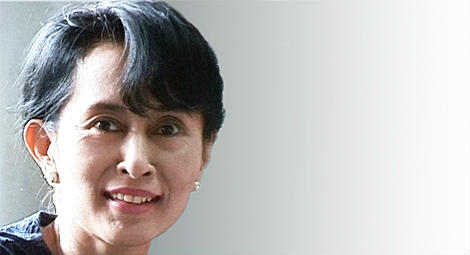
The Union Solidarity and Development Party (USDP) is the ruling party – mainly made up of members of the military, and led by Shwe Mann. The National League for Democracy (NLD) will be standing in opposition, led by Aung San Suu Kyi. Many ethnic parties representing the different ethnic states will also be standing, competing for seats in parliament.
It’s a parliamentary election, and after that the president will be elected by parliament.
What’s likely to happen during Burma’s election campaign?
The USDP may portray themselves as the guardians of Burma’s Buddhist heritage – possibly inciting violence against religious minorities such as Christians and Muslims. They’ve already done this with the Rohingya Muslims, viciously persecuting them in an attempt to force them out of Burma altogether.
The USDP may also offer local communities incentives such as new roads and hospitals; while this infrastructure is valuable, it shouldn’t be used as a political tool.
Meanwhile, the NLD will be trying to get the constitution amended: at the moment, a clause in the constitution means that their leader, Aung San Suu Kyi, would be unable to be president even if her party won the election. The constitution also currently reserves 25% of seats in parliament for the military.
What will happen next?
If the elections are free and fair – and it’s a big if – then the NLD will probably win a majority. They could also choose to form a coalition with some reform-minded politicians in the USDP.
But the problems Burma faces run very deep, and it would be short-sighted and naïve to think that the NLD will be able to solve these problems overnight.
I’ll be holding more human rights training sessions in Burma over the coming months to empower victims and activists on the ground to speak up for their rights. But we really need supporters to stand with the Burmese people in prayer during this crucial election year.
- Thank God for the progress – even though it’s been painfully slow – that has been made towards reforming the appalling situation in Burma;
- Pray that the constitution will be amended before the election to allow Aung San Suu Kyi to be president if the NLD wins;
- Ask God to protect religious communities which are particularly at risk of violence incited by the USDP;
- Pray that the elections this autumn would be free and fair, and that Burma would allow international independent monitors into the country;
- Pray that the elections would lead to religious freedom and true transformation in Burma.
Join CSW supporters at the Burma Day of Prayer on 14 March at the Emmanuel Centre in London. More information at www.csw.org.uk/prayforburma
 English (UK)
  Español de México
  简体中文
简体中文